
Hardscape Craft
Garden Paths
Invite people into the landscape with a path that makes planted areas easier to explore and more beautiful from the house.
Garden Path Routing
Garden paths should follow natural foot traffic through beds, gates, and outdoor rooms
A garden path succeeds when it feels obvious to use. Precision Pavers studies how people move between the patio, side gate, lawn, planting beds, pool area, trash area, or front approach before choosing a route, width, border, texture, and material.
The path may use pavers, stone, gravel accents, concrete, or mixed hardscape depending on slope, drainage, maintenance, and the surrounding landscape. Planning also covers bed edges, lighting opportunities, muddy shortcuts, and how the path should meet patios or steps without feeling forced.
- Natural walking routes and garden access
- Path width, curves, borders, and texture
- Bed edges, lighting, slope, and drainage
- Connections to patios, gates, lawn, and steps
 Outdoor ImprovementGarden Paths
The finished work should deliver a garden route that feels intentional and easy to maintain and remain practical for everyday use.
Construction Details
Select A Surface That Suits Planting, Foot Traffic, And Upkeep
Garden Paths may involve stone, gravel, pavers, edging, lighting, and planting pockets. Each choice is compared with traffic, weather exposure, upkeep, and its ability to support a garden route that feels intentional and easy to maintain.
North Texas heat, sudden rain, and moving soil influence the preparation for garden paths, particularly where the site already has worn grass paths, muddy turns, bed creep, and unclear routes.
 Base
Base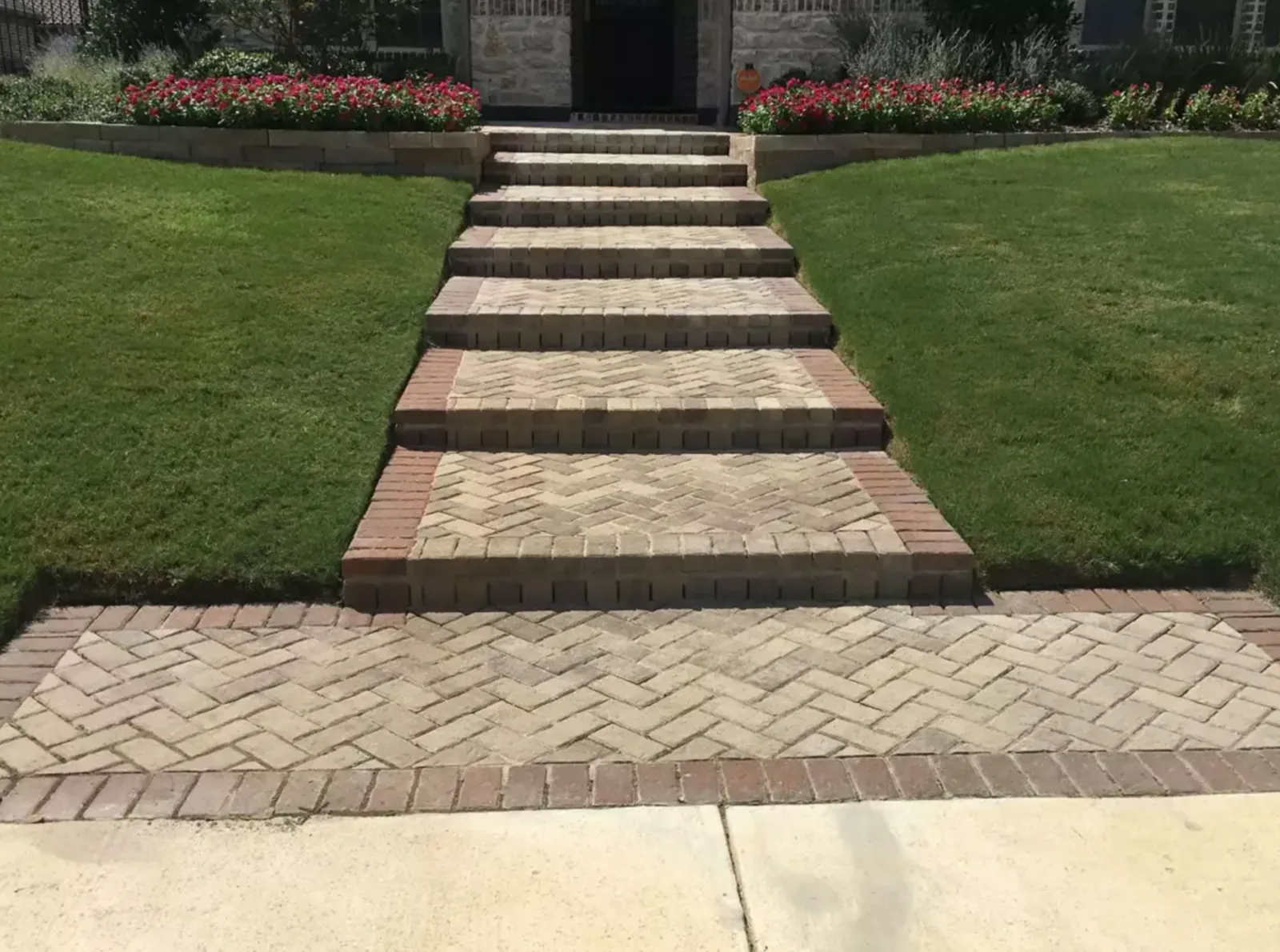 Edge
Edge Surface
 Drainage
Preparation And Installation
Lay Out Natural Pauses Between Beds, Gates, And Gathering Areas
The team reviews dimensions, access, elevations, surrounding surfaces, and worn grass paths, muddy turns, bed creep, and unclear routes before confirming a layout and construction direction.
- 01Walk the space and document worn grass paths, muddy turns, bed creep, and unclear routes.
- 02Compare the most suitable options for stone, gravel, pavers, edging, lighting, and planting pockets.
- 03Set the layout, drainage, and access around worn grass paths, muddy turns, bed creep, and unclear routes.
- 04Finish the edges and transitions needed for a garden route that feels intentional and easy to maintain.
Performance At Every Edge
A Garden Route That Stays Clear Without Feeling Overbuilt
Lasting garden paths depends on sound preparation, well-planned edges, and careful coordination of stone, gravel, pavers, edging, lighting, and planting pockets. Those details help the work respond to worn grass paths, muddy turns, bed creep, and unclear routes while supporting a garden route that feels intentional and easy to maintain through regular use, maintenance, and weather.
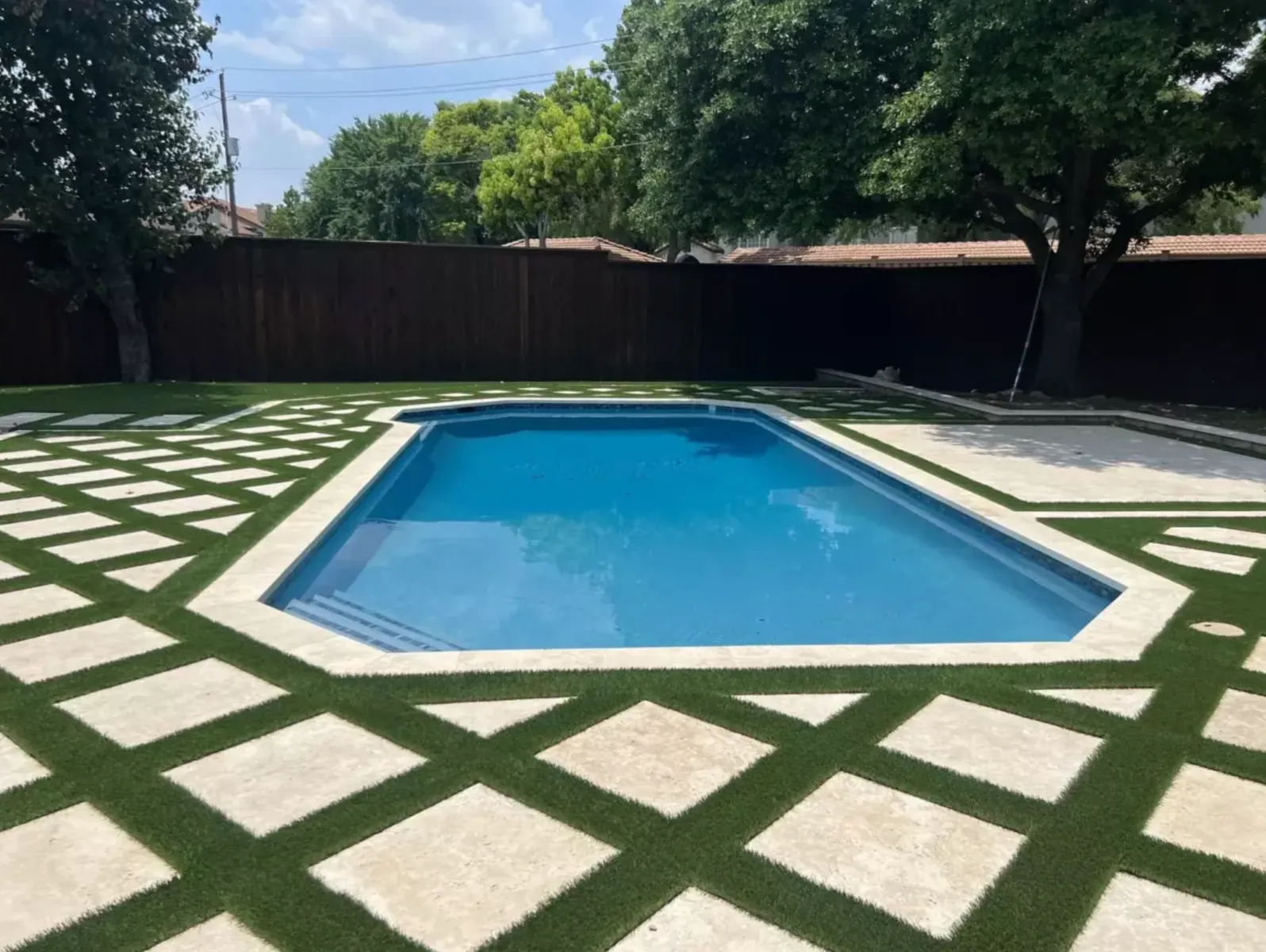
Garden Paths Inspiration
See how garden paths can change the way home feels.
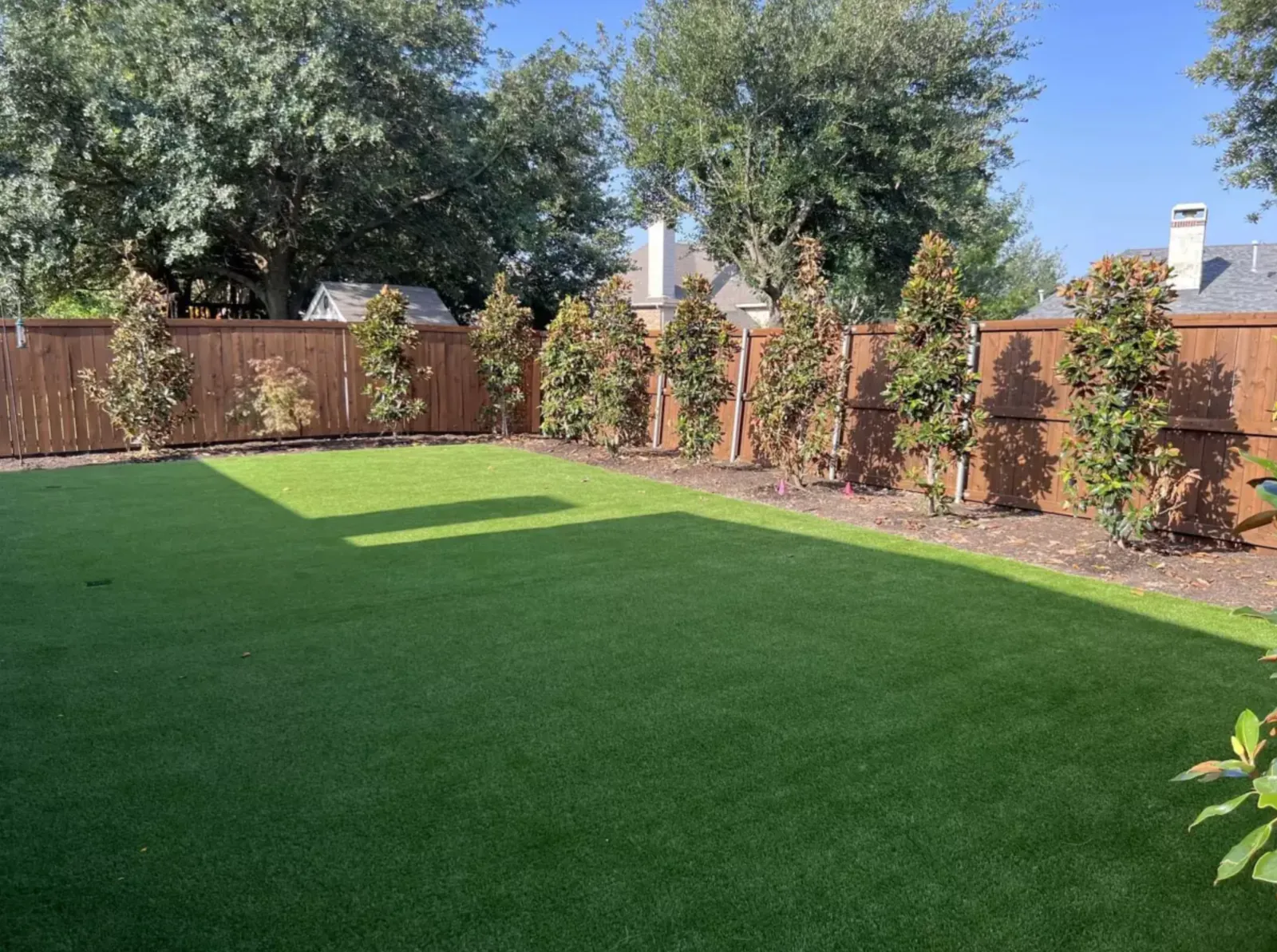
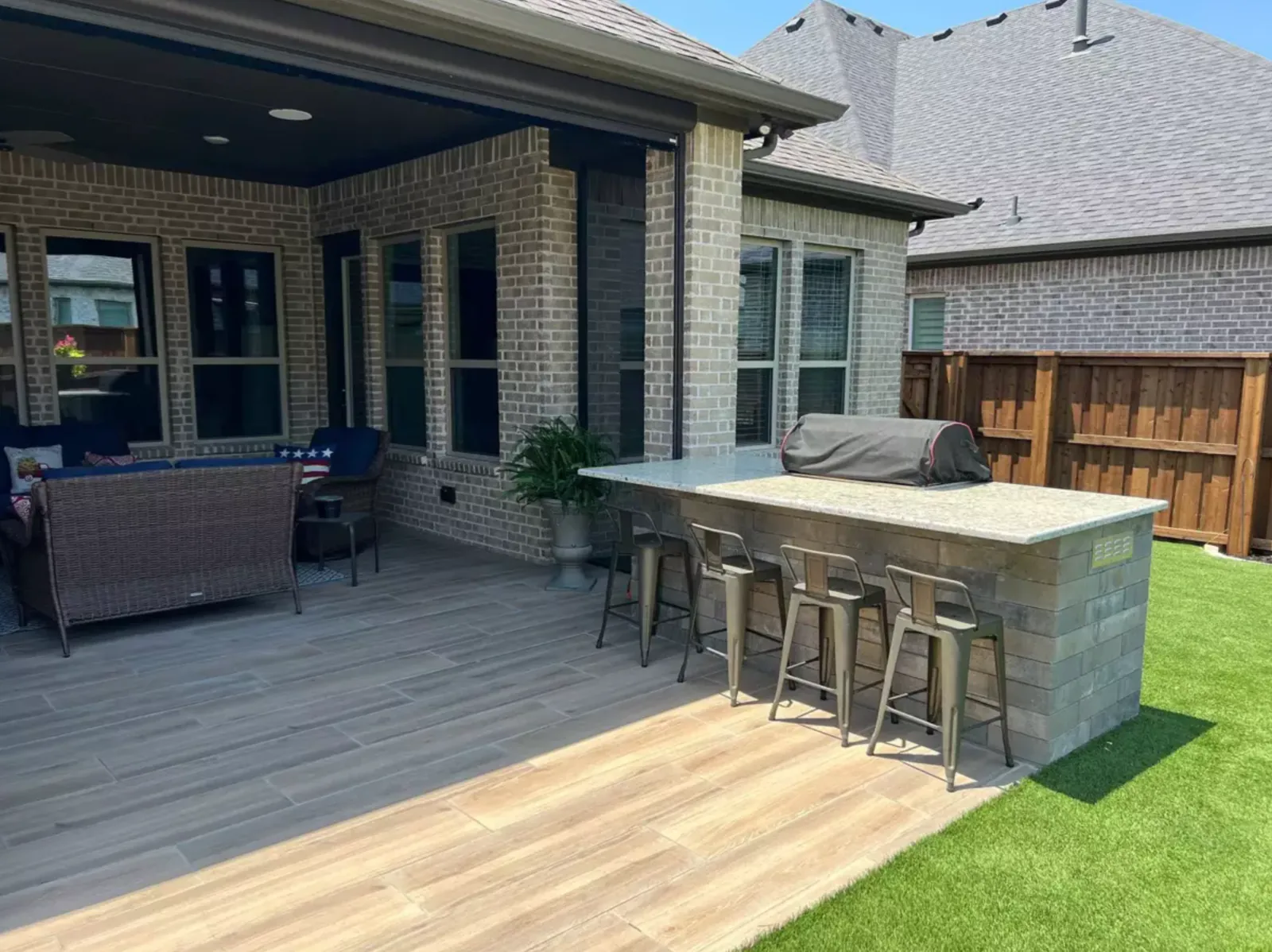
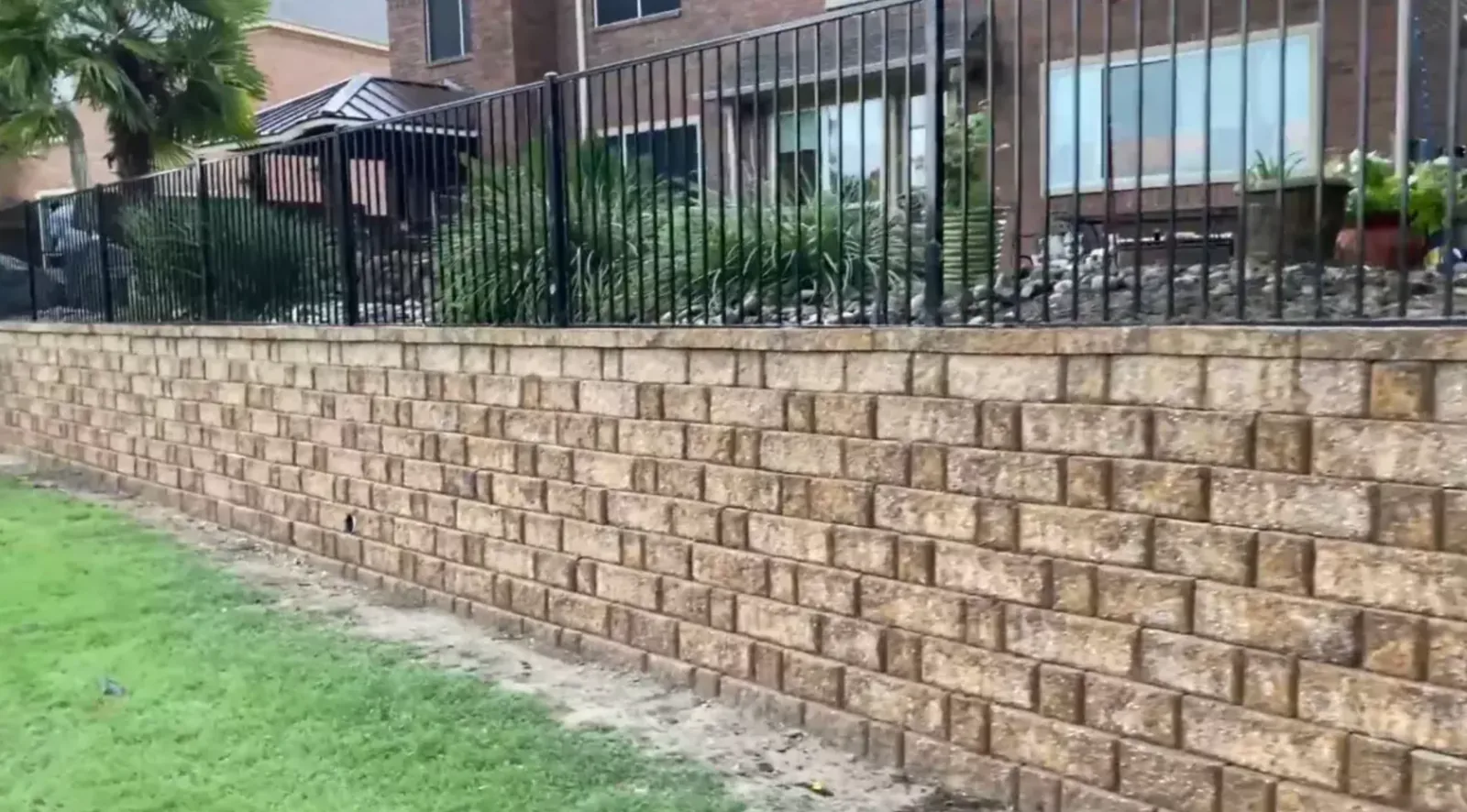
Explore real Precision Pavers work for colors, materials, layouts, and outdoor-living ideas you can bring into your own consultation.
Explore the project gallery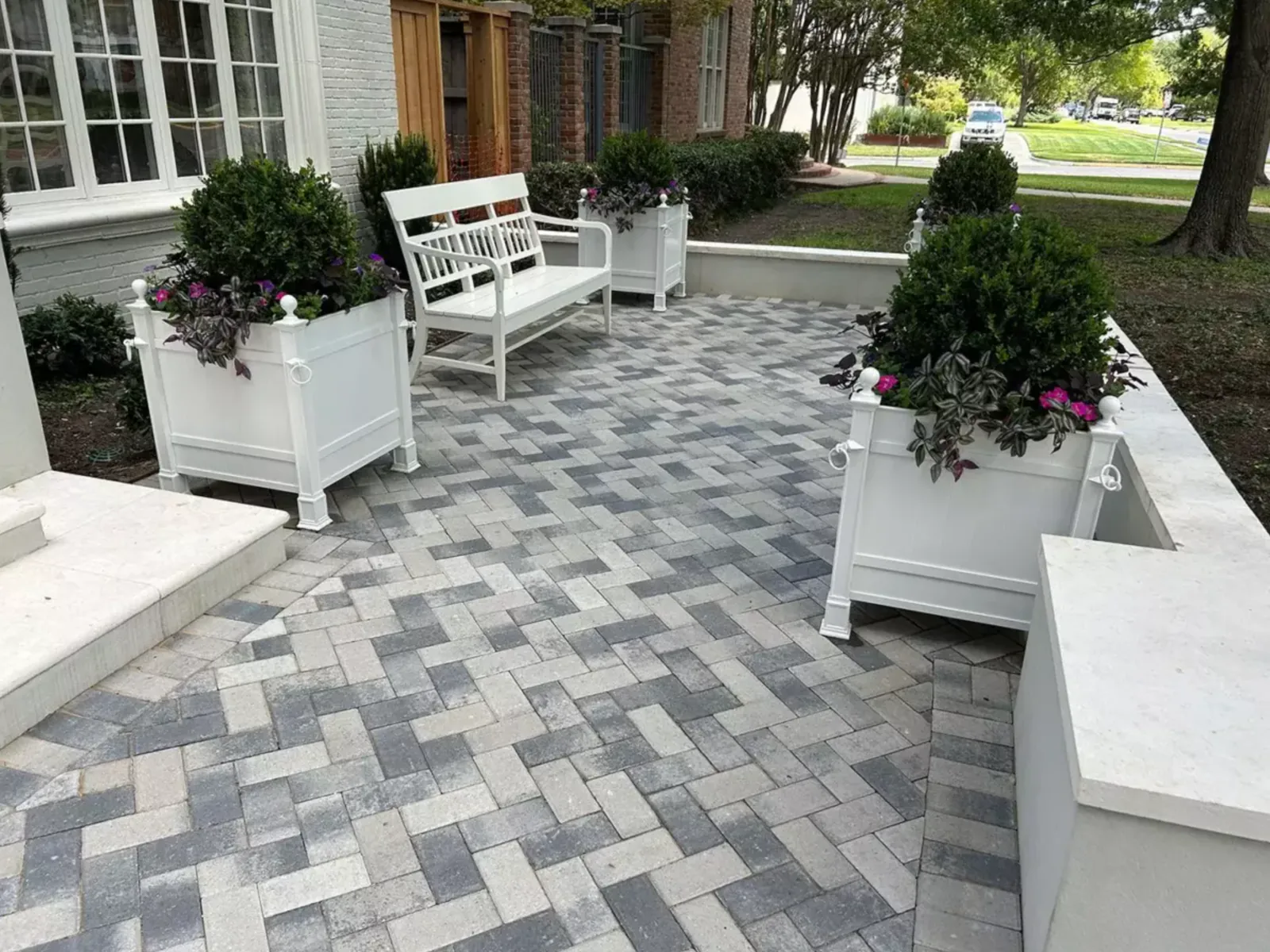

Before Work Begins
Garden Path Materials, Curves, And Maintenance
What should be considered before planning garden paths?
Precision Pavers looks at how the area will be used, its dimensions, access, grade, drainage, nearby surfaces, and the suitability of stone and gravel.
How does North Texas weather affect garden paths?
Heat, sudden rain, and soil movement can influence the preparation for stone and gravel, especially where the property has worn grass paths, muddy turns, bed creep, and unclear routes.
Can garden paths be coordinated with nearby outdoor improvements?
Yes. Paver surfaces, walls, walkways, pool-deck work, outdoor structures, turf, lighting, and other connected hardscape features can be coordinated or phased while keeping a garden route that feels intentional and easy to maintain in view.
What site details matter for garden movement?
Include the property address, wide and close photos, approximate dimensions, access notes, and clear views of worn grass paths, muddy turns, bed creep, and unclear routes so the first review reflects the actual site.
Plan The Work
Create a path that draws you into the garden.
Tell us what you want to change and how you hope to use the finished space. A few current photos are enough to start.