
Hardscape Craft
Walkways
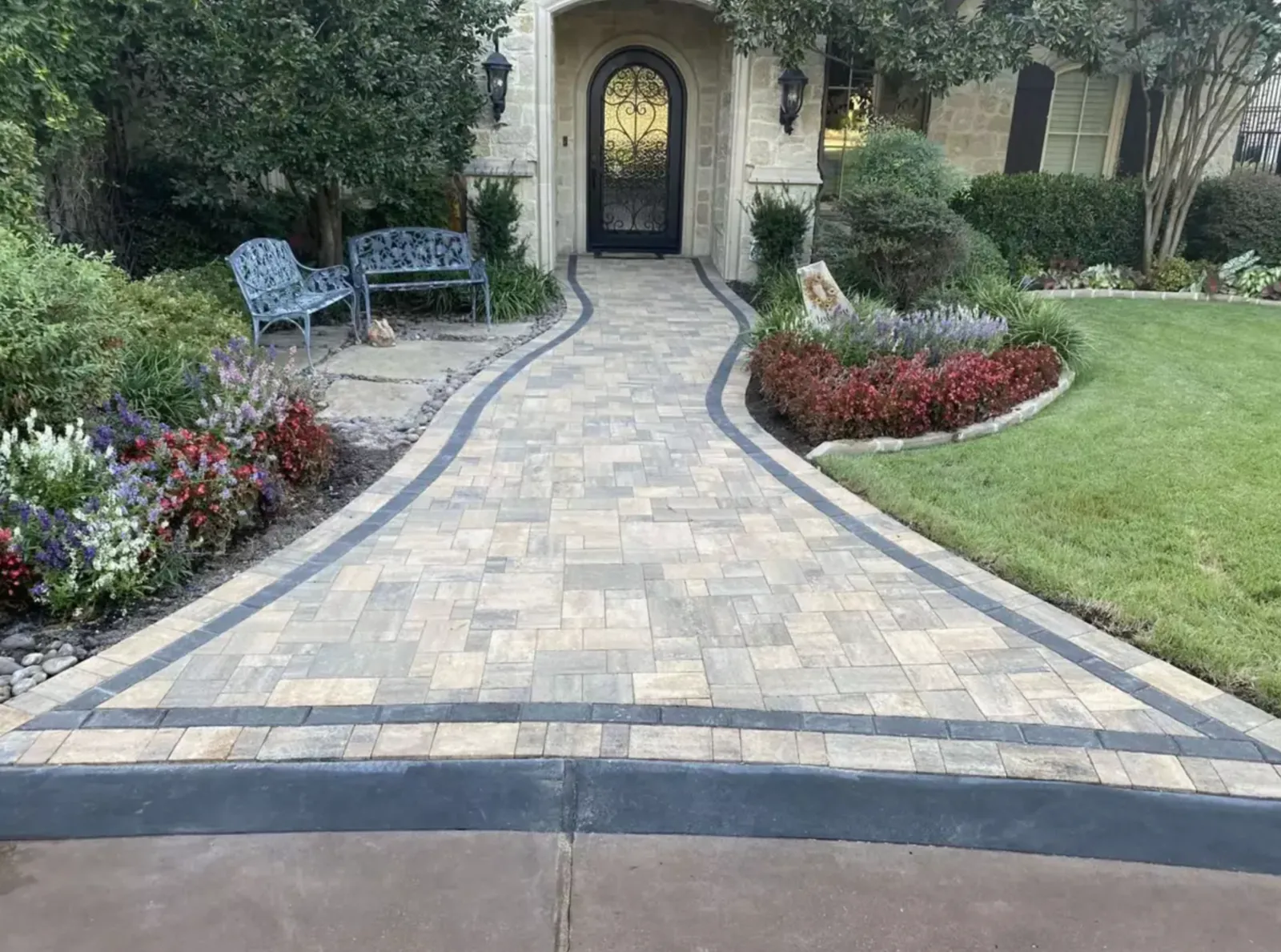
Replace worn or awkward routes with a comfortable, polished path that makes moving around your home feel natural.
Everyday Property Circulation
Follow The Route People Already Want To Take
Walkways organize daily movement between doors, gates, driveways, patios, pools, gardens, and side yards.
Precision Pavers studies the route people already use, then plans width, surface texture, slope, lighting opportunities, bed edges, and connections to nearby hardscape.
- Daily use and traffic through the space
- Existing conditions: muddy shortcuts, narrow turns, uneven slopes, and disconnected entries
- Material direction: route width, border direction, surface texture, bed edges, lighting, and drainage
- The finished standard: a route that feels natural without looking like an afterthought
Construction Details
Balance Footing, Width, Borders, And Drainage Along The Way
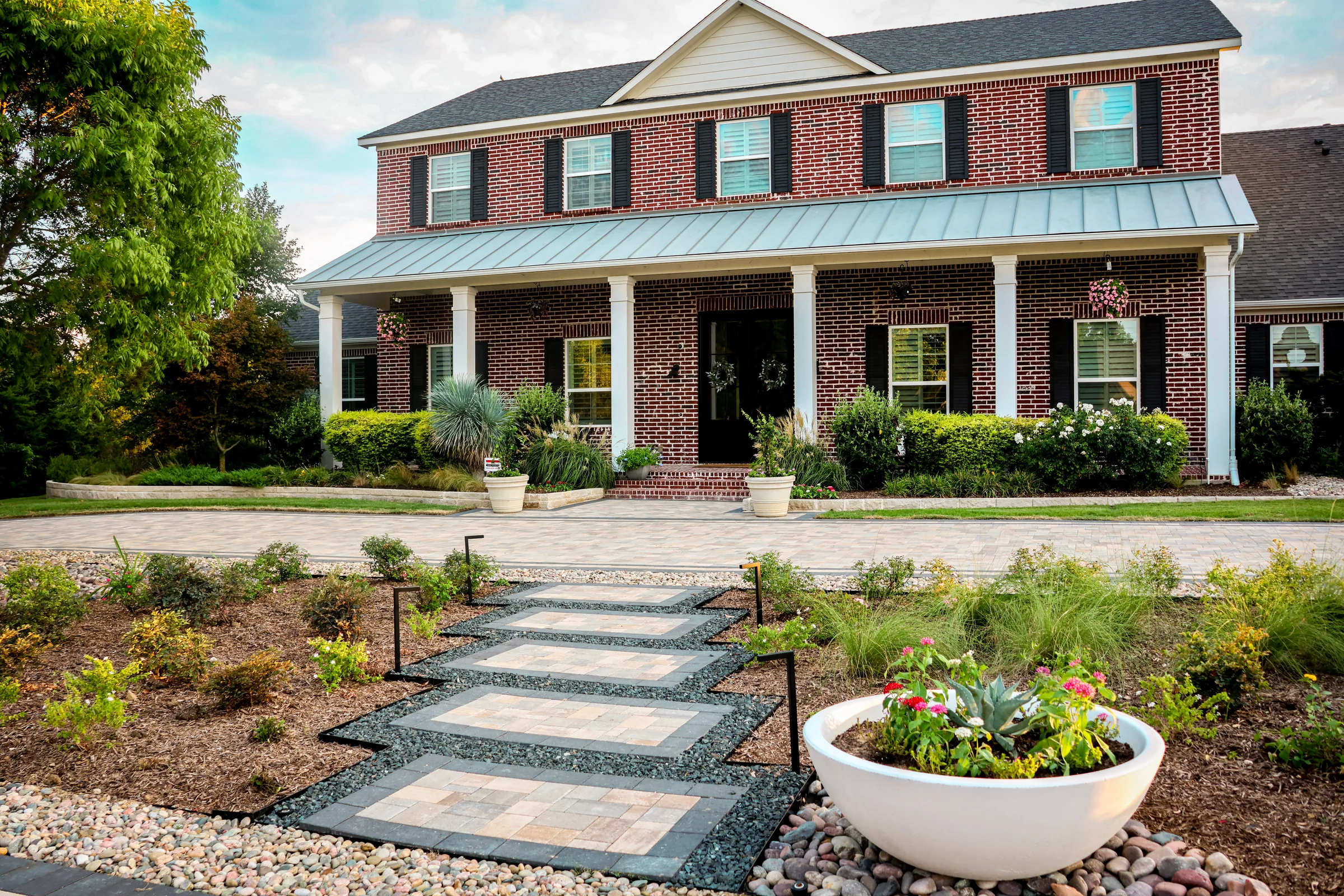
Paver color, unit size, texture, laying pattern, and border details change the feel of a walkway and its relationship to nearby planting beds.
Walkways in North Texas need surface texture, drainage, and stable edges that can handle heat, storms, and soil movement.
Before Work Begins
Walkway Width, Surface, And Drainage Decisions
What should be considered before planning a walkway?
Start with the doors, gates, and outdoor spaces the path needs to connect. Compare the walking width, turns, steps, adjoining elevations, drainage, and existing planting before choosing the paver pattern and border.
How do weather and site conditions affect a paver walkway?
Observe where rainwater travels or collects along the proposed route. Ground conditions and drainage help determine the supporting base; surface texture and sun exposure also matter when comparing pavers. Wet or unsuitable site conditions can change the construction schedule, so discuss access and timing with the project plan.
Can a walkway connect with other outdoor improvements?
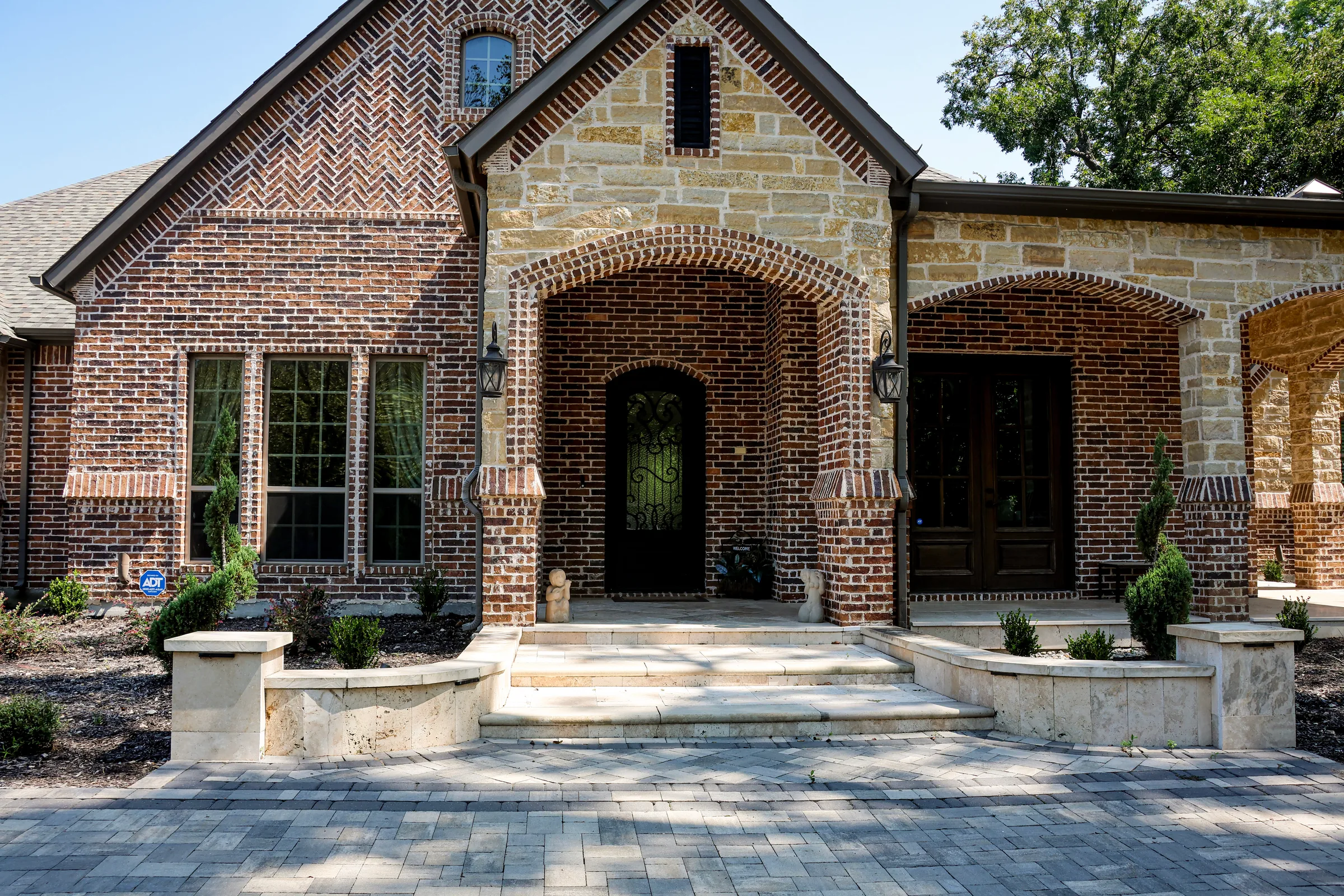
Yes. Compare the proposed path with nearby patios, doors, steps, gates, planting, and lighting. Planning these connections together helps avoid an awkward turn or an elevation change at the end of the path.
What information helps with a walkway estimate?
Share the property address, approximate length and width, and photographs looking both ways along the full route. Include muddy or uneven areas, narrow access, gate openings, steps, and any adjacent work you are considering.
Plan The Work
Make the everyday route feel intentional.
Tell us what you want to change and how you hope to use the finished space. A few current photos are enough to start.