
Wood: the fire is part of the activity
A wood fire involves bringing fuel, tending the fire and dealing with ash after use. That ritual may be part of its appeal. It also means storage, smoke and the time needed to manage the fire belong in the decision.
EPA’s wood-burning guidance recommends dry, seasoned wood and explains practices intended to reduce smoke. Smoke remains a consideration for nearby seating and neighbors; fuel choice does not remove the need to follow equipment instructions and local restrictions.
Source: EPA: wood-burning practices
Gas: controls and fuel supply shape the routine
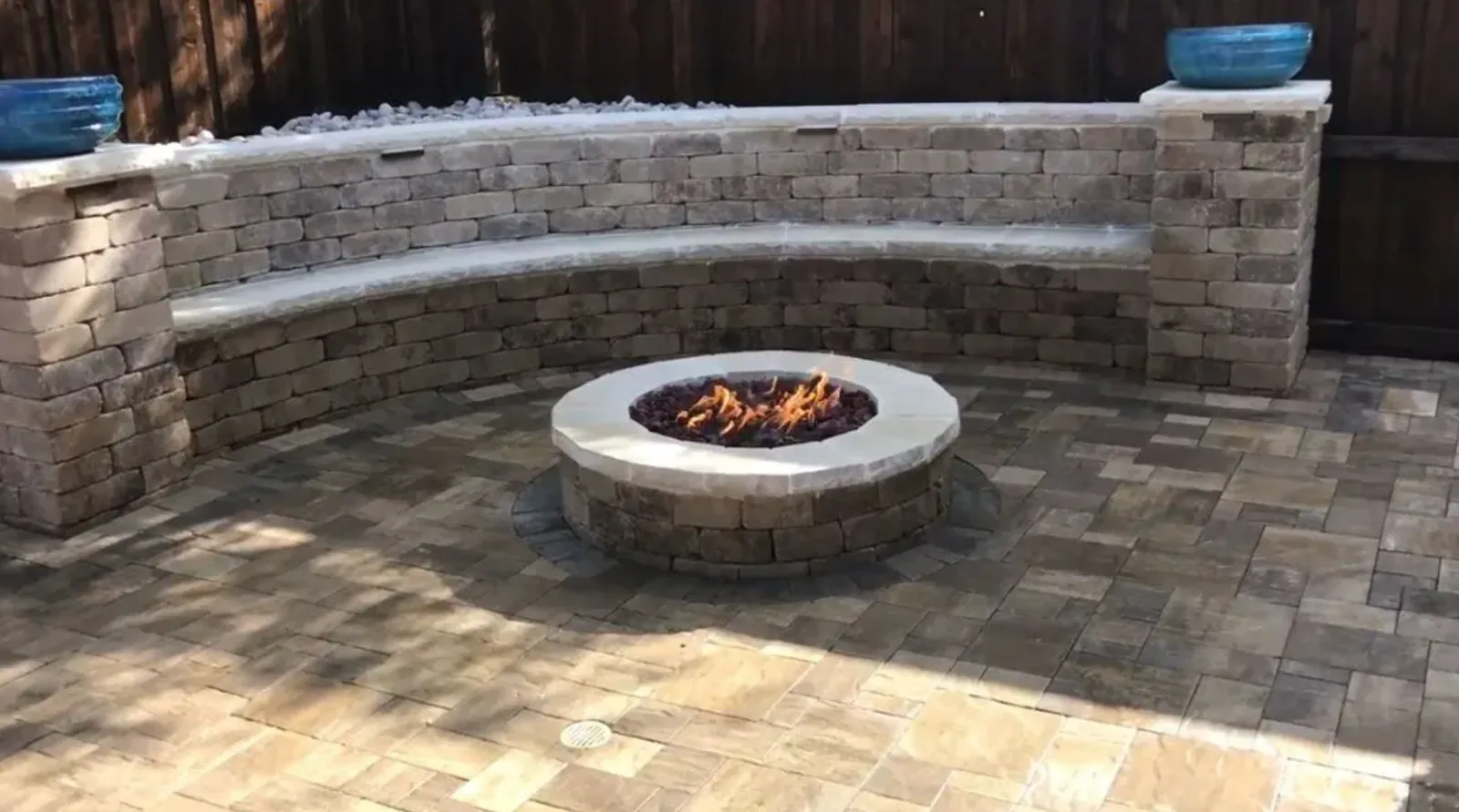
A gas feature uses the controls and fuel arrangement designed for the selected model. Propane storage or a natural-gas connection needs to be included in the plan, along with professional installation where required. It avoids handling firewood and wood ash, but it still needs inspection, cleaning and servicing appropriate to the product.
Compare the actual control system rather than assuming every gas feature starts or shuts down in the same way. Outdoor GreatRoom’s product guidance, for example, distinguishes use, clearances and care for its equipment.
Choose by the tradeoff you prefer
- Choose the wood-burning experience if tending a fire is part of the evening you want and the site and current rules allow the proposed arrangement.
- Consider gas when the selected controls and fuel setup better match shorter or more frequent visits outside.
- Compare the complete installed scope, including support, fuel work and surrounding paving, rather than only the appliance price.
Neither fuel creates a universal clearance rule or a guaranteed heating area. Precision Pavers can help coordinate a selected feature with the patio layout, while qualified installers establish the equipment requirements.